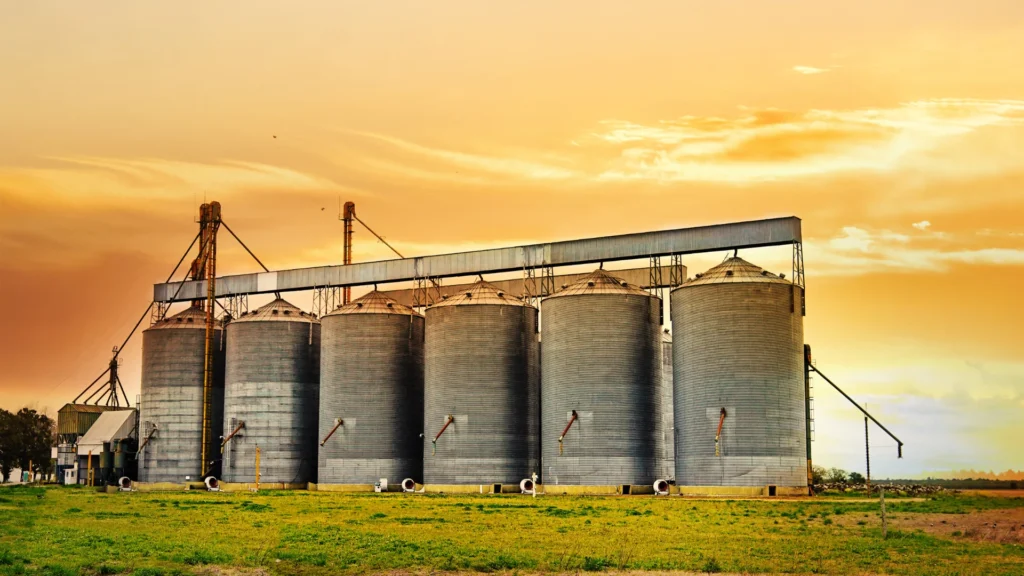
In modern agriculture and industrial operations, efficient storage solutions are critical to protect produce, ensure quality, and optimize supply chains. Among the most important storage infrastructures is the silo — a vertical storage structure designed to hold bulk materials. When it comes to agriculture specifically, one of the most commonly recognised forms is the grain silo.
These grain storage silo available in different size, capacity smallholder farms to global agribusinesses — depend on engineered silo systems to handle harvest surges, reduce loss, and improve market responsiveness.
In this blog, we break down everything you need to know about silos and grain silos — their meaning, types, design aspects, benefits, and why quality matters.
What is a Silo?
A silo is a tall structure used to store bulk materials — generally in granular or powdered form — in a way that protects them from moisture, pests, contamination, and spoilage. Originally developed for agricultural purposes, silos are now used across multiple industries including:
- Agriculture (grains, seeds, feed)
- Food processing (flour, sugar, spices)
- Chemical manufacturing (pellets, powders)
- Construction (cement, sand)
- Biomass & renewable energy (wood chips, pellets)
Fundamentally, silos help businesses maintain supply continuity, product quality, and operational efficiency.
What is a Grain Silo?
A grain silo is a specific type of silo designed exclusively for storing grains and seeds — such as wheat, rice, barley, maize, pulses, and oilseeds.
Grain silos are engineered not just for storage volume but also for preserving crop quality by:
- Stabilizing temperature
- Preventing moisture buildup
- Reducing pest infestation
- Minimising spoilage
How Does a Grain Silo Work?
The working of a grain silo involves several processes:
- Grain is transported into the silo through conveyors or elevators.
- The grain is evenly distributed inside.
- Aeration fans maintain airflow and reduce moisture.
- Temperature sensors monitor internal conditions.
- When required, grain is discharged using gravity or mechanical systems.
Modern silos may include automated monitoring systems for real-time data.
Importance of Grain Silos in Agriculture
Grain silos are extremely important for farmers and agri-businesses.
1. Reduces Post-Harvest Loss
Improper storage causes huge losses every year. Silos help in minimizing these losses.
2. Maintains Grain Quality
Controlled temperature and moisture ensure better quality grains.
3. Better Market Control
Farmers can store grains and sell them when market prices are higher.
4. Improves Food Security
Proper storage ensures year-round food availability.
Key Design Considerations
Before installing a silo, the following factors must be considered:
- Storage capacity requirement
- Type of grain
- Climate conditions
- Soil condition
- Future expansion plans
- Budget
Proper engineering design ensures safety and durability.
Why Choose Ryvotek Infra Solution for Silo Projects?
When investing in silo infrastructure, quality and expertise matter the most. Ryvotek Infra Solution is a trusted Grain Silo Manufacturer, providing reliable and durable silo solutions for agricultural and industrial applications.
What Makes Ryvotek Infra Solution Different?
- Customized silo design based on client requirements
- High-quality raw materials
- Strong structural engineering standards
- Turnkey project execution
- Focus on durability and performance
- Professional installation and after-sales support
Ryvotek Infra Solution ensures that every silo project is designed to deliver long-term efficiency, safety, and reliability.
Whether you require a small grain storage unit or a large industrial silo system, choosing an experienced company ensures smooth operation and reduced maintenance costs.
Future of Silo Technology
Silo technology is evolving with modern innovations such as:
- IoT-based temperature monitoring
- Automated aeration systems
- Corrosion-resistant coatings
- Modular expandable designs
- Smart grain management systems
Conclusion
A silo is an essential storage structure used for bulk material handling, while a grain silo is specially designed for safe and efficient grain storage. With proper engineering, aeration systems, and quality materials, grain silos significantly reduce losses and improve agricultural profitability.
Investing in a well-designed silo storage solution, Ryvotek Infra Solution ensures durability, safety, and long-term operational success. Proper storage is not just about space — it is about protecting the value of storage bulk material efficiently, ensuring quality, and securing the future of agriculture.