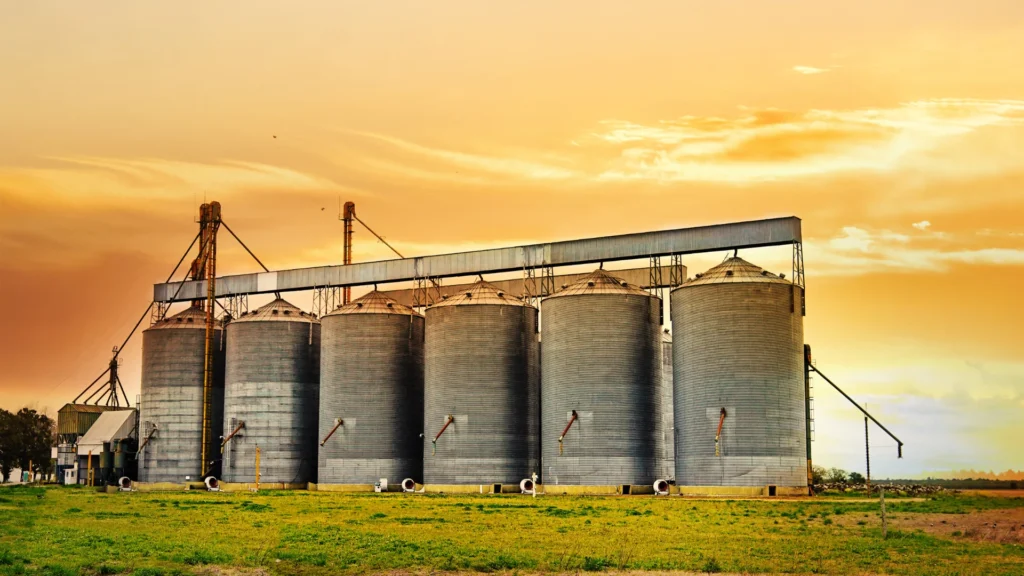
For fast-growing agricultural and industrial sectors, efficient storage solutions is an important requirement to maintain product quality and reduce losses. One such essential storage system is a silo. Whether it is used in agriculture, construction, or manufacturing, silos are designed to store bulk materials safely and efficiently. There are different types of silo for storing various materials and items, grain silos are especially important for farmers and food industries to store grains or seeds as they help preserve harvested crops for long periods. In this blog, we will understand what a silo is, what a grain silo is, and why it is an important investment.
What is a Silo?
A silo is a large storage structure used to store bulk materials such as grains, cement, coal, food products, and other raw materials, used in various industrial applications for efficient storage solutions. It is usually cylindrical in shape and can be constructed using materials like steel or concrete. Silos are designed to protect stored materials from environmental factors such as moisture, pests, dust, and temperature changes.
Silo ensures safe and organized storage while maintaining the quality of the material. In industries, silos help in handling large quantities of materials efficiently and reduce the need for frequent transportation. They also support better inventory management, as materials can be stored in bulk and used as required.
Silos are commonly used in various sectors including agriculture, construction, food processing, and manufacturing. Depending on the type of material being stored, the design and features of the silo may vary. For example, cement silos are designed to handle fine powder, while grain silos are equipped with systems to maintain proper ventilation and moisture control.
- Agriculture (grains, seeds, feed)
- Food processing (flour, sugar, spices)
- Chemical manufacturing (pellets, powders)
- Construction (cement, sand)
- Biomass & renewable energy (wood chips, pellets)
What is a Grain Silo?
A grain silo is a specialized type of silo that is specifically designed for storing agricultural grains such as wheat, rice, maize, barley, and seeds. These silos are widely used by farmers, grain traders, and food processing industries to store harvested crops safely for both short-term and long-term use.
Grain silos are equipped with advanced features that help maintain the quality of stored grains. These include aeration systems, temperature monitoring, moisture control, and proper ventilation. These systems prevent spoilage, control humidity, and protect grains from pests and fungal growth.
One of the biggest advantages of using a grain silo is the reduction in post-harvest losses. Traditional storage methods like open storage or bags often lead to damage due to weather conditions and pests. Grain silos, on the other hand, provide a controlled environment that preserves the nutritional value and quality of the grains.
- Stabilizing temperature
- Preventing moisture buildup
- Reducing pest infestation
- Minimising spoilage
Types of Grain Silos
Grain silos are available in different types based on design and usage. The most common types include:
- Flat-Bottom Silos – Suitable for long-term storage of large quantities of grain.
- Hopper-Bottom Silos – Designed for easy discharge of grains, ideal for operations requiring frequent unloading.
- Steel Silos – Made from galvanized steel, offering durability and corrosion resistance.
- Concrete Silos – Used for large-scale and permanent storage solutions.
Each type has its own advantages and is selected based on storage requirements, budget, and operational needs.
How Does a Grain Silo Work?
The working of a grain silo involves several processes:
- Grain is transported into the silo through conveyors or elevators.
- The grain is evenly distributed inside.
- Aeration fans maintain airflow and reduce moisture.
- Temperature sensors monitor internal conditions.
- When required, grain is discharged using gravity or mechanical systems.
Modern silos may include automated monitoring systems for real-time data.
Importance of Grain Silos in Agriculture
- Reduces Post-Harvest Losses – Protects grains from moisture, pests, and environmental damage, minimizing spoilage.
- Maintains Grain Quality – Controls temperature and moisture, helping preserve freshness and nutritional value.
- Efficient Bulk Storage – Allows storage of large quantities in one place, reducing space and handling efforts.
- Better Market Control – Farmers can store grains and sell when prices are favorable, increasing profitability.
- Improves Operational Efficiency – Reduces manual labor and simplifies loading, unloading, and management.
- Ensures Long-Term Storage – Provides a safe and secure environment for storing grains over extended periods.
- Supports Supply Chain – Helps maintain consistent availability of grains for industries and markets.
Benefits of Using Grain Silos
- Reduces post-harvest losses
- Maintains grain quality and nutritional value
- Protects from moisture, pests, and environmental damage
- Enables bulk storage and efficient handling
- Improves inventory management
- Helps in better price control and profitability
These advantages make grain silos an essential investment for modern agricultural and food processing operations.
Key Design Considerations
Before installing a silo, the following factors must be considered:
- Storage capacity requirement
- Type of grain
- Climate conditions
- Soil condition
- Future expansion plans
- Budget
Proper engineering design ensures safety and durability.
Why Choose Ryvotek Infra Solution for Silo Projects?
When investing in a grain silo, Ryvontek Infra provides a well-designed and properly constructed silo ensures long-term performance, safety, and cost-effectiveness. Our focus is on using premium materials, advanced technology, and precision engineering to build durable and efficient silos. Our customized solutions are designed to meet the specific needs of farmers and industries, ensuring optimal performance and reliability.
What Makes Ryvotek Infra Solution Different?
- Customized silo design based on client requirements
- High-quality raw materials
- Strong structural engineering standards
- Turnkey project execution
- Focus on durability and performance
- Professional installation and after-sales support
Ryvotek Infra Solution ensures that every silo project is designed to deliver long-term efficiency, safety, and reliability.
Whether you require a small grain storage unit or a large industrial silo system, choosing an experienced company ensures smooth operation and reduced maintenance costs.
Future of Silo Technology
Silo technology is evolving with modern innovations such as:
- IoT-based temperature monitoring
- Automated aeration systems
- Corrosion-resistant coatings
- Modular expandable designs
- Smart grain management systems
Conclusion
A silo is an essential storage structure used for bulk material handling, while a grain silo is specially designed for safe and efficient grain storage. With proper engineering, aeration systems, and quality materials, grain silos significantly reduce losses and improve agricultural profitability.
Investing in a well-designed silo storage solution, Ryvotek Infra Solution ensures durability, safety, and long-term operational success. Proper storage is not just about space — it is about protecting the value of storage bulk material efficiently, ensuring quality, and securing the future of agriculture.