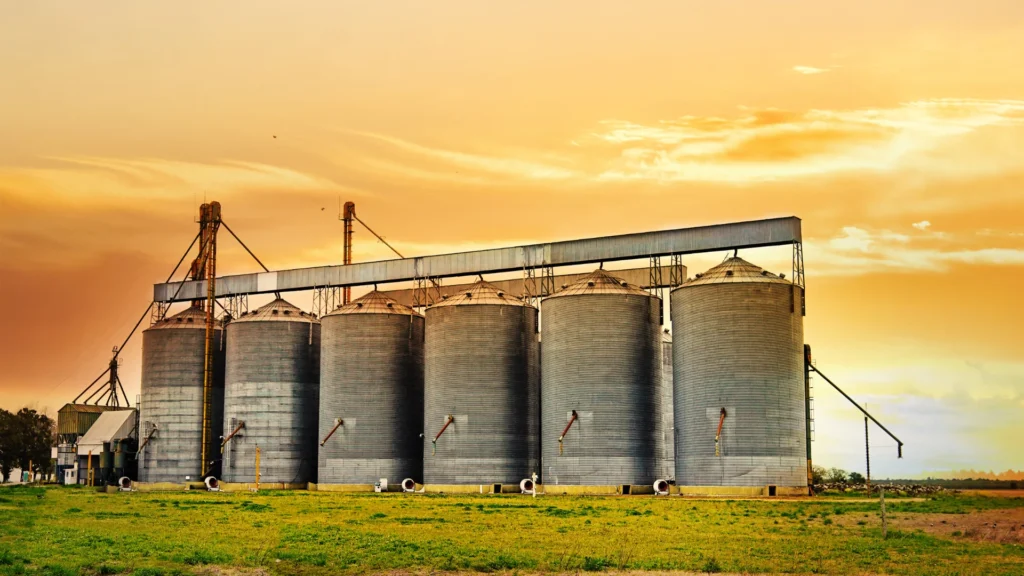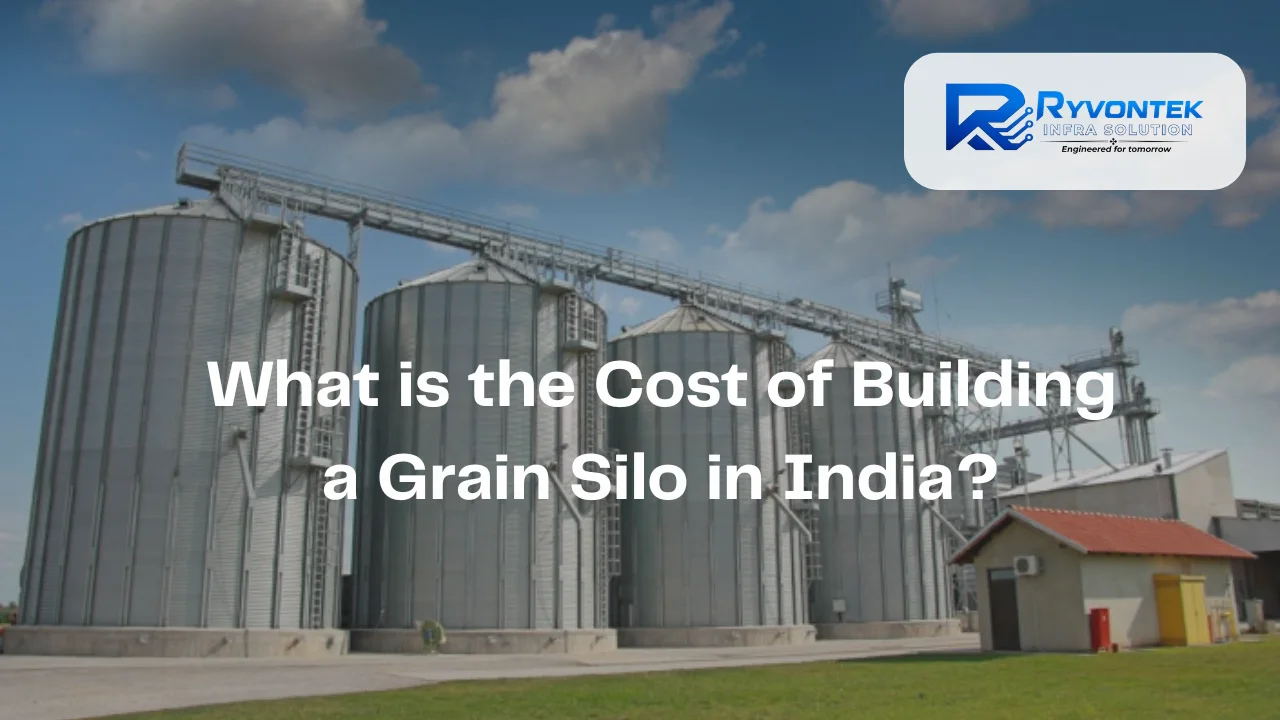
Building a grain silo is a crucial investment for farmers, agribusinesses, and food processing industries to store grains safely and efficiently. However, constructing a grain silo is not a simple task—it requires proper planning, technical expertise, and a well-defined strategy. In India, the cost of building a grain silo can vary significantly depending on several technical and operational factors. From small farm storage units to large industrial silos, pricing depends on capacity, materials, design complexity, and the level of automation involved. Understanding these factors is essential for effective budget planning and choosing the most suitable and cost-efficient storage solution for your specific needs.
Storage Capacity and Price Variation
The most important factor affecting the cost of a grain silo is its storage capacity. Smaller silos used for farm-level storage generally cost between ₹5 lakh to ₹20 lakh. Medium-capacity silos designed for commercial storage can range from ₹20 lakh to ₹1 crore. Large-scale industrial silos, especially those used in food processing plants or bulk storage facilities, can go beyond ₹1 crore depending on the size and features. Higher capacity requires stronger structures and more material, which increases the overall cost.
- Larger capacity silos require more steel, increasing material cost
- Foundation and structural strength increase with size
- High-capacity silos often include automation systems
- Transportation and installation cost rises with size
- Suitable for bulk storage and long-term use
- Smaller silos are budget-friendly and easy to install
- Capacity selection should match production and storage needs
Material Selection and Its Impact
Grain silos are constructed using different types of materials, each suitable for specific storage needs and environmental conditions. The choice of material plays a major role in determining both the cost and durability of the silo. Galvanized steel silos are widely preferred due to their corrosion resistance, long service life, and faster installation. These silos are also cost-effective in the long run as they require minimal maintenance. On the other hand, concrete silos are used for large-scale and permanent storage solutions, but they involve higher construction costs and longer installation time. The thickness, grade, and overall quality of the material further influence the final price and performance of the silo.
Design and Structural Type
The design and structural type of a grain silo significantly impact its cost, performance, and ease of operation. Different structural designs are chosen based on storage requirements, grain handling methods, and operational efficiency.
Flat-Bottom Silo:
This is the most common and cost-effective design, featuring a flat base suitable for large-volume storage. However, it requires additional equipment like sweep augers or conveyors for unloading, which can add to operational complexity.
Hopper-Bottom Silo:
These silos are designed with a conical bottom that allows easy and quick discharge of grains without extra unloading systems. They are more efficient in operation but come at a higher initial cost due to their complex structure.
Automation and Technology Integration
Modern storage solutions require efficient handling along with proper safety of stored material. Automation and technology integration in grain silos play a vital role in achieving this by improving operational efficiency, ensuring grain protection, and maintaining quality over time. While basic silos operate manually and are more budget-friendly, modern silos are equipped with advanced systems that enhance performance and reliability.
Installation and Site Conditions
Installation costs depend heavily on the project location and site conditions. Expenses may include transportation of materials, labor charges, foundation work, and equipment setup. If the site is located in a remote area or requires special groundwork, the cost may increase. Proper site preparation is essential to ensure structural stability and long-term performance of the silo.
Customization and Additional Features
Many businesses require customized storage silo solutions based on their specific operational needs. Add-ons such as conveyor systems, bucket elevators, dust control systems, and advanced safety mechanisms can increase the total project cost. However, these features enhance efficiency, safety, and ease of operation, making them valuable additions for large-scale operations.
Importance of Choosing the Right Manufacturer
For best quality and efficient performance, selecting a reliable manufacturer is one of the most important decisions in this process. Ryvontek Infra- a trusted grain storage silo manufacturer in India offers high-quality, customized grain silo solutions that are designed for durability and efficiency. Working with an experienced manufacturer ensures proper design, quality materials, and professional installation, reducing the risk of future issues and additional costs.
Maintenance and Long-Term Cost
Apart from the initial construction cost, maintenance is another factor to consider. A well-designed silo with proper ventilation and monitoring systems requires less maintenance and ensures longer service life. Regular inspection, cleaning, and timely servicing help in maintaining efficiency and preventing damage, ultimately saving costs in the long run.
Benefits of Investing in a Grain Silo
Investing in a grain silo provides several advantages. It helps in post-harvest storage, maintaining grain quality, and protecting produce from moisture, pests, and environmental damage.
- Reduces post-harvest losses and protects grains from spoilage
- Maintains grain quality by controlling moisture and temperature
- Provides safe and secure storage from pests and environmental damage
- Improves storage efficiency and allows bulk handling
- Reduces dependency on traditional storage methods
- Supports better inventory management and planning
- Minimizes wastage and increases overall profitability
- Suitable for long-term grain storage
- Enhances operational efficiency in agricultural and industrial use
- Helps in maintaining consistent supply and market value
Conclusion
The cost of building a grain silo in India depends on multiple factors such as capacity, materials, design, automation, and installation conditions. While the initial investment can vary from a few lakhs to several crores, the long-term benefits make it a worthwhile investment. By choosing the right configuration and partnering with a trusted manufacturer like Ryvontek Infra, you can ensure a durable, efficient, and cost-effective grain storage solution that meets your specific business requirements.