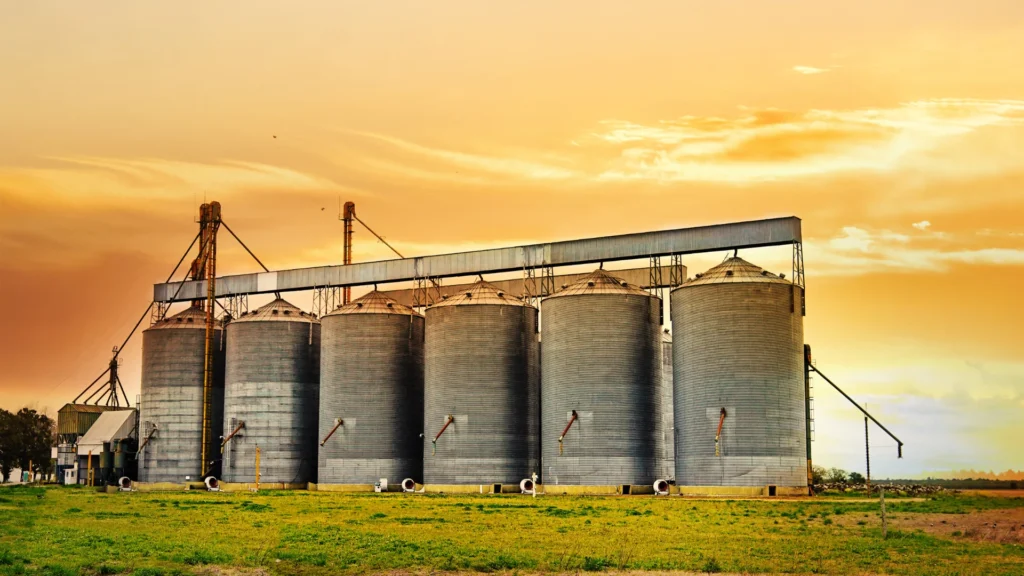
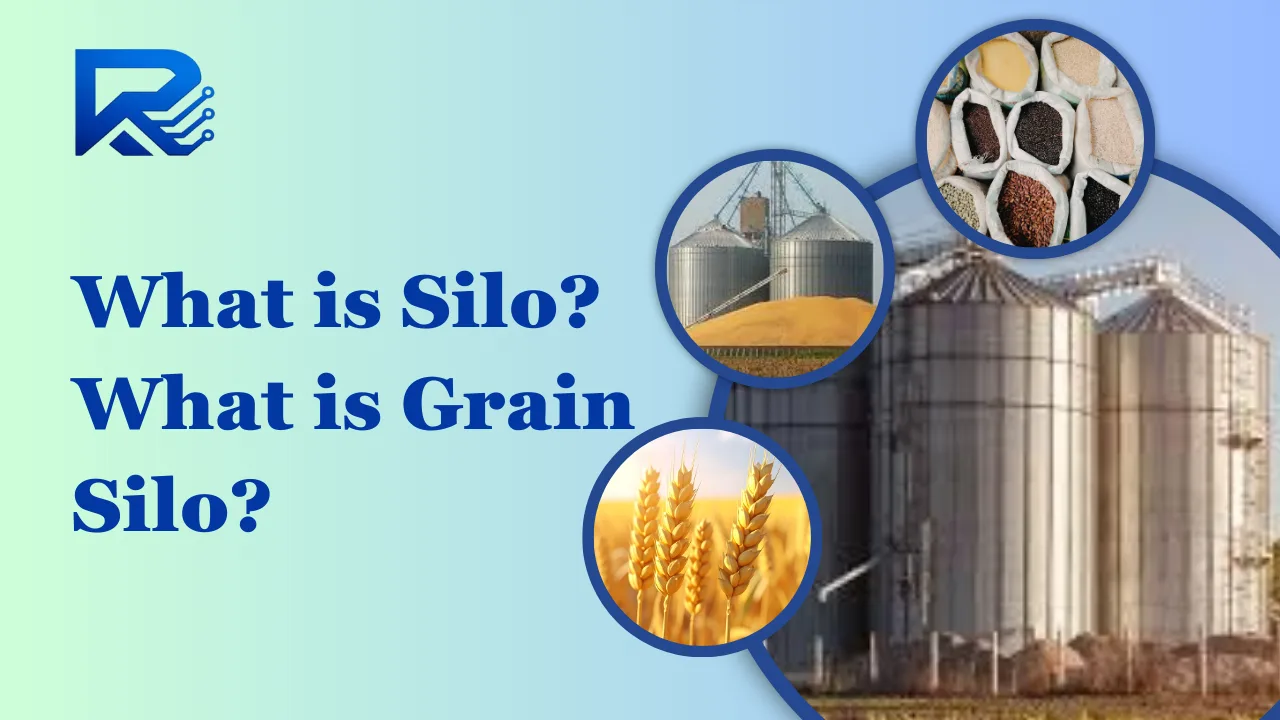
For agriculture and industrial storage, silos are one of the best options for preserving bulk materials efficiently and safely. From grains and cement to coal and chemicals, silos are widely used for organized storage, easy handling, and long-term preservation. They protect materials from moisture, contamination, and environmental damage, helping maintain quality and reduce losses.
Understanding what a silo is and how a grain silo functions can help industries and farmers optimize their storage systems, improve efficiency, and minimize post-harvest losses.
What is a Silo?
A silo is a tall, cylindrical or rectangular structure used for storing bulk materials in large quantities. These materials can include grains, powders, liquids, or semi-solid substances depending on the application. Silos are designed to protect stored materials from environmental factors such as moisture, pests, and contamination while maintaining their quality over time.
Silos are commonly constructed using materials like steel, concrete, or aluminum, depending on the type of storage requirement. They are equipped with advanced systems for filling, discharge, aeration, and monitoring to ensure efficient storage management.
Types of Silos
There are several types of silos used across industries, including:
- Tower Silos – Vertical structures typically used for storing grains and silage
- Bunker Silos – Horizontal storage systems, often used for silage
- Bag Silos – Flexible plastic tubes used for temporary storage
- Cement Silos – Used in construction for storing cement and fly ash
- Grain Silos – Specifically designed for storing agricultural grains
Each type of silo is designed based on the nature of the material being stored and the required storage duration.
What is a Grain Silo?
A grain silo is a specialized storage structure designed specifically for storing agricultural grains such as wheat, rice, corn, barley, and soybeans. Grain silos are essential in the agricultural supply chain, as they help maintain grain quality after harvesting and before distribution or processing.
Grain Stoarge silos are equipped with features such as ventilation systems, temperature control, and moisture management to prevent spoilage and insect infestation. Proper storage in grain silos ensures that grains remain fresh, dry, and safe for consumption over extended periods.
Importance of Grain Silos in Agriculture
Grain silos are crucial for both farmers and large-scale agricultural businesses. Some key benefits include:
1. Preservation of Quality
Grain silos protect crops from moisture, pests, and temperature fluctuations, ensuring long-term quality retention.
2. Reduced Post-Harvest Losses
Improper storage can lead to significant losses. Grain silos minimize these losses by providing a controlled environment.
3. Bulk Storage Efficiency
They allow large quantities of grains to be stored in a compact and organized manner.
4. Improved Supply Chain Management
Grain silos enable better inventory management, helping farmers and distributors store and release grains as needed.
5. Enhanced Food Security
By preserving grains for longer durations, silos contribute to stable food supply and availability.
Key Features of Grain Silos
Modern grain silos are designed with advanced technology to ensure maximum efficiency. Some important features include:
- Aeration Systems to control temperature and moisture
- Dust Control Systems for safe operation
- Level Indicators to monitor storage capacity
- Discharge Mechanisms for smooth material flow
- Corrosion-Resistant Materials for long durability
- Weatherproof Design to protect against external conditions
Applications of Silos
Silos are not limited to agriculture. They are widely used in multiple industries such as:
- Agriculture (grain and silage storage)
- Construction (cement and fly ash storage)
- Food processing (sugar, flour storage)
- Chemical industries (powder and liquid storage)
- Power plants (coal and ash storage)
Their versatility makes silos an essential infrastructure component in both rural and industrial settings.
Why Choose Ryvontek Infra as Grain Silo Manufacturer?
When it comes to storing bulk materials, reliable and high-quality silo solutions are essential to protect them from environmental factors such as moisture, pests, and contamination. Ryvontek Infra is a trusted name as Grain Silo Manufacturer in the industry, known for delivering durable and efficient storage systems. Our company specializes in designing and manufacturing advanced grain silos that meet modern agricultural and industrial demands, ensuring safe storage, minimal losses, and long-term performance.
Ryvontek Infra focuses on:
- Using premium-grade materials for durability
- Advanced engineering for efficient storage
- Customized silo solutions based on client needs
- Strict quality control and precision manufacturing
- Long-lasting and cost-effective storage systems
Our expertise ensures that customers receive robust, efficient, and reliable grain storage solutions tailored to their specific requirements.
Conclusion
Silos are an integral part of modern storage systems, offering efficient and secure solutions for bulk material handling. Among them, grain silos play a critical role in agriculture by preserving food quality, reducing waste, and supporting the supply chain.
With increasing demand for efficient storage infrastructure, investing in high-quality silos is essential. Companies like Ryvontek Infra are leading the way by providing innovative and durable silo solutions that meet the evolving needs of industries and agriculture.